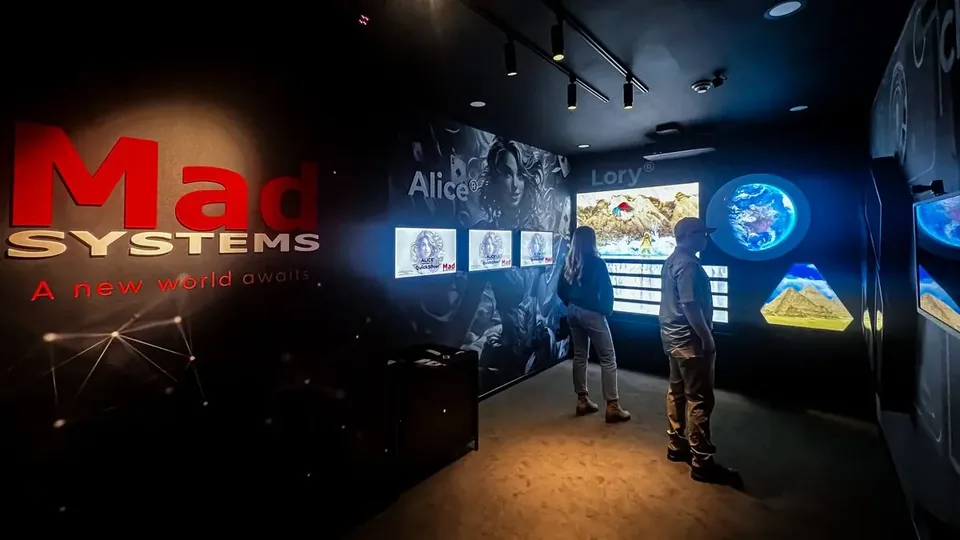
Personalization is useful when it helps someone experience the place on terms that work for them: a language they understand, an explanation at the right depth, or an accessible version of the same story. A venue needs content, delivery and operating decisions that make those choices dependable.
Begin with what should change
The brief might call for a whole environment to change language, or for visitors to receive different media while sharing the same show. Those are different design problems. The Albert Robles Center’s whole-center language switching and Lory® personal media delivery illustrate different approaches, with each project’s configured scope defined separately.
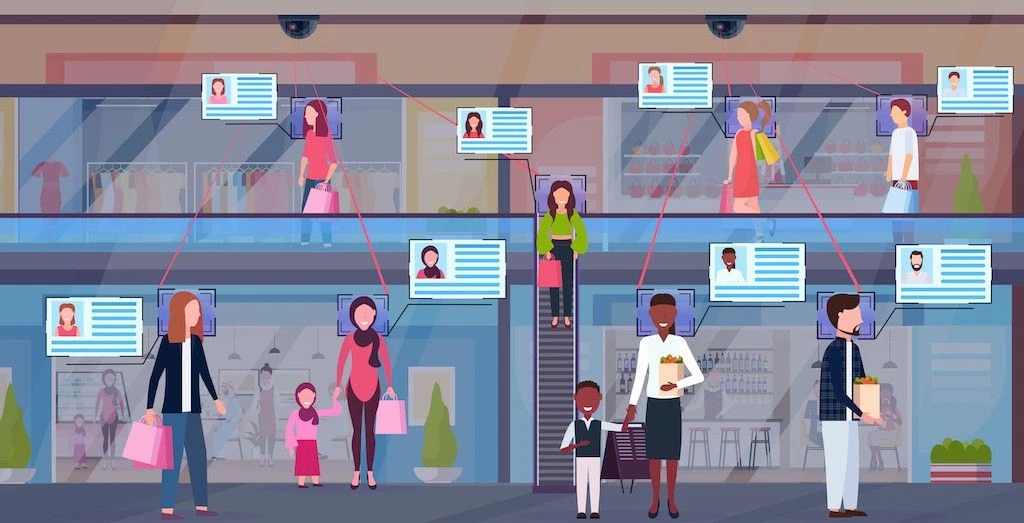
Visitor selections, rules, recognition and AI can contribute in different combinations. A face is not a source of language or interest preferences. A visitor can supply those choices directly, and an authorized recognition or membership workflow can reconnect permitted information when continuity is wanted.
Build on a maintainable foundation
QuickSilver® uses standard computer architecture for playback and control. AV++® capabilities can be selected around that foundation, including Alice® content personalization, CheshireCat® recognition, Lory delivery, TeaParty® control and operational tools.
For an existing installation, first assess what is usable and retrofit the legacy playback and control foundation with QuickSilver. Suitable displays, projectors and other peripheral equipment may remain. The project can then add and qualify selected AV++ capabilities. Computer architecture creates a route for future integration; each new interface still needs engineering and testing.
Applications to evaluate
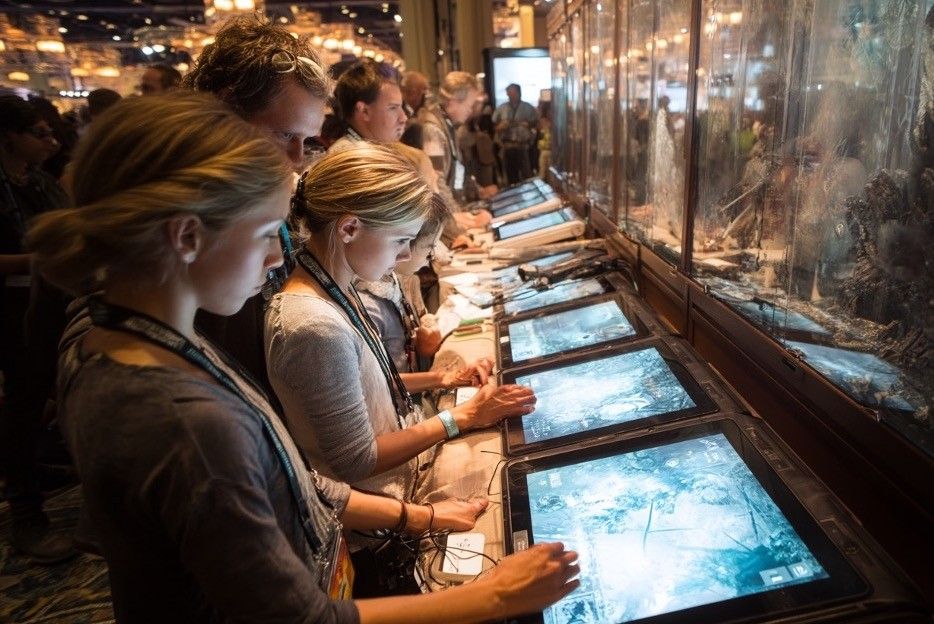
- Museums and visitor centers: offer a visitor-selected language or different levels of interpretation using approved material.
- Brand and hospitality settings: explore product explanations, personal itineraries or opt-in member continuity against a defined service brief.
- Attractions and group experiences: coordinate shared media with individual options, subject to the content and delivery system that has been prepared.
- Public spaces and larger destinations: evaluate multilingual information and permitted coordination between participating systems.
These examples identify potential applications. They are not a list of completed Mad deployments in every sector. The portfolio records the work for named projects.

Inclusion needs a complete delivery path
Languages, captions, sign-language video and audio descriptions need appropriate authorship and review. The chosen device, browser, headphones or hearing device must support the full route. Physical navigation or automatic adjustment of equipment needs separate qualified hardware and design work; it cannot be inferred from a personalization engine.
CaterPillar™ is patent-pending blind-guidance work. Coupling it with Alice can support multilingual guests with different interests. WonderLens™ explores patent-pending spatial capabilities under development. Their current pages describe scope and development rather than presenting every proposed function as installed.
TECHNICAL DETAILPrivacy, persistence and evidence
Open the engineering detailClose this sectionLook for the red circuit symbol for engineering detail.
A visit-only session and a returning membership are different choices. Specify which preferences may persist, who can access them, how a guest changes consent and how data is removed. Local processing can keep important information at the venue when the selected components and data routes are configured for it.
AV++ Analytics can report configured interactions and operating observations. Those measurements should be distinguished from claims about learning, satisfaction or repeat visits. Energy savings likewise require a defined baseline and actual operating data; a digital or computer-based system is not by itself proof of a smaller environmental footprint.
Make the ambition reviewable
Define the purpose first, select the capability that serves it, and agree on the evidence. Mad can help turn that sequence into a design, an appropriate demonstration and a supportable project scope.