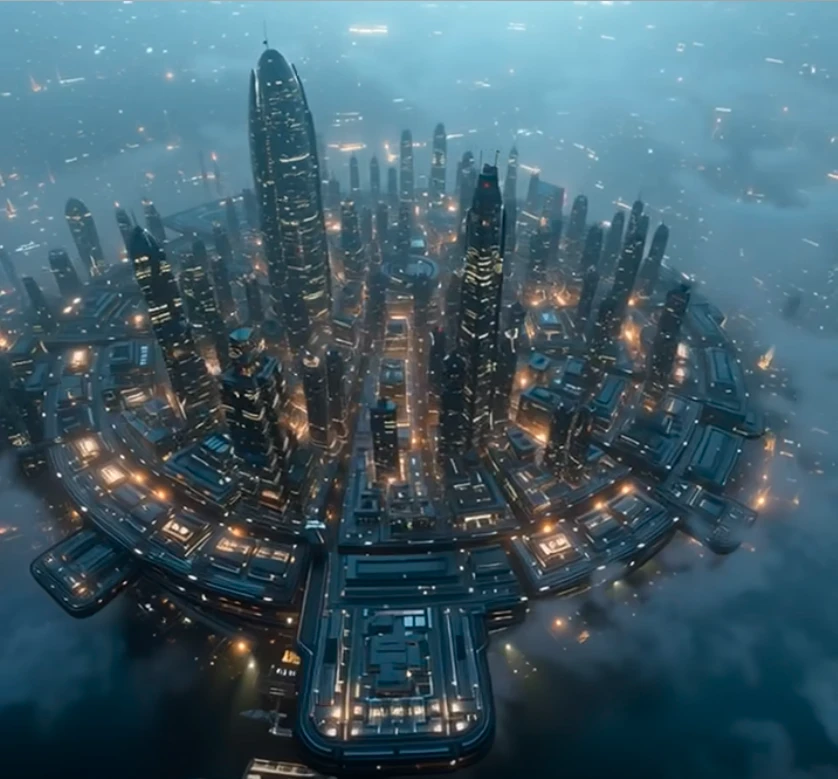
A place is more than its structure and its equipment. Light, sound, signs, movement and the rhythm of activity affect how people experience it. This December 2025 perspective asks what happens when those elements can respond together to a defined purpose.
Four ways to think about a place
The original essay used four layers as an explanatory model: physical infrastructure; digital connectivity; data and analysis; and the visitor experience. This is a planning metaphor, separate from the ten layers in the current WorldModel™ reference architecture.
The fourth part is where design becomes tangible to a visitor. A sign is readable at the right moment. A soundscape supports the story without overwhelming a conversation. An experience offers a language or pace the guest has chosen. The aim is a place that responds appropriately; words such as “aware” or “conscious” describe the experience metaphorically.
From separate reactions to coordinated behavior
Consider an illustrative busy arrival space. An operator-approved response might change digital signs, select an available media track or offer an alternative route. To do that well, the system would need current observations, a defined objective, relevant permissions and tested interfaces to the participating equipment.
Occupancy is an observation to interpret carefully. It does not establish a person’s emotional state or preferred language. Changes to building systems, access or safety functions require the appropriate responsible controls and authority.
Trust belongs in the experience
A visitor should be able to understand when a personal choice affects the experience and how to change it. A venue should specify what information it uses, where it is processed, how long it is retained and which actions require an operator’s decision.
Mad’s local intelligence work and recognition approach support that design direction. A configured system still needs an explicit data path and consent model. Portable preferences between independent venues remain a separate integration and governance task.
Designing for different ways of experiencing the world
Useful choices can include authored language versions, captions, audio description, clearer presentation, quieter alternatives or different depths of interpretation. Physical, tactile and human-delivered interpretation remain part of the designer’s toolkit. Each option should address the actual audience and be checked in the intended setting.
TECHNICAL DETAILThe architecture behind the ambition
Open the engineering detailClose this sectionLook for the red circuit symbol for engineering detail.
QuickSilver® provides a computer-based system foundation. AV++® brings together media, interaction, recognition and operational capabilities. WorldModel defines governance and shared context, and Mad Intelligence develops the continuing-engineering direction that keeps the original purpose in view. Hatter, Mad Presence™ and Mad Nulling™ contribute audio work with their own implementation and physical-qualification requirements.
Published architecture, pending inventions and working demonstrations represent different stages of that work. See the current WorldModel architecture for the canonical structure.
Wonderland as a place to ask concrete questions
Wonderland is Mad’s demonstration and development setting. A visit can be planned around the specific functions relevant to a brief. The broader examples in this essay, from transit hubs to civic spaces, remain application ideas rather than a claim that Mad has commissioned an emotionally intelligent city.
The next useful step is to name the response a visitor or operator should experience, then define the capability and evidence needed to support it.