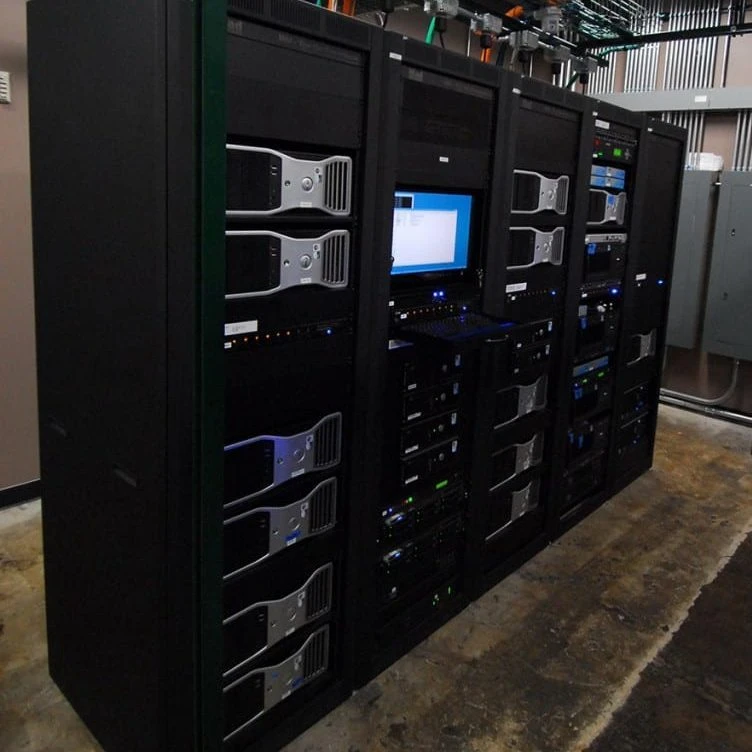
When a venue asks for a non-proprietary system, it is often asking a practical question: will we be able to maintain this installation and make changes without depending on one irreplaceable box?
Separate hardware choice from the whole system
Standard computer hardware can be sourced in many configurations from different suppliers. Using it for playback, control and selected processing creates options for replacements, spares and future capacity. QuickSilver® follows that computer-based approach.
The complete system still includes Mad software, configuration, content, operating systems, licenses and interfaces. Those dependencies need documentation and support. Widely available hardware should not be confused with a promise that all software is open source or that an arbitrary replacement will work without qualification.
Design a replacement path
A useful spares strategy starts with tested configurations and recoverable system images, content and settings. The team should know which parts are interchangeable, how a replacement is commissioned and what evidence shows that the experience is back within its intended behavior.
Standard architecture can make future compute, storage or rendering advances useful to a venue. The upgrade still needs to satisfy the project’s performance, interface, network, licensing and support requirements. It may be incremental, but it remains engineering work.
TECHNICAL DETAILRespect specialist boundaries
Open the engineering detailClose this sectionLook for the red circuit symbol for engineering detail.
Some equipment has specialist requirements that determine the choice of hardware and control. Safety-related motion, building systems and other regulated functions require the responsible designer’s hazard analysis, appropriate equipment and validated protective controls. A media computer or a general-purpose PLC should not be assumed to satisfy those requirements merely because it can send commands.
Audio, projection and other subsystems also have performance and compatibility requirements. The sensible question is which parts benefit from standard compute and which require a specialist component with a documented replacement strategy.
Keep the operating knowledge available
- Document the hardware configurations, interfaces, software versions and license dependencies.
- Maintain recoverable content, configuration and backups.
- Provide service access and an agreed remote-support route.
- Specify permissions and credentials for the people responsible for operation.
- Plan how future changes will be tested against the original design intent.
A maintainable system serves the experience
The goal is a venue that can continue telling its story while parts, requirements and audiences change. Standard hardware is a useful design choice within that larger plan. Mad’s design, engineering and support work connects the choice to the actual installation and the people maintaining it.